1. Take a leisure walking along the coast
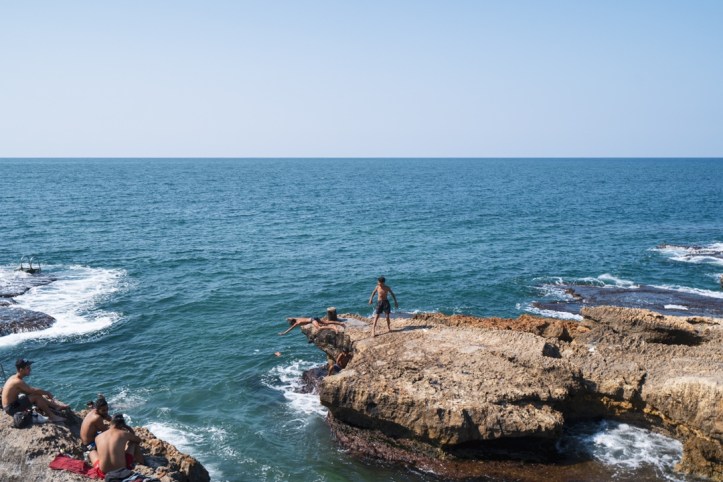
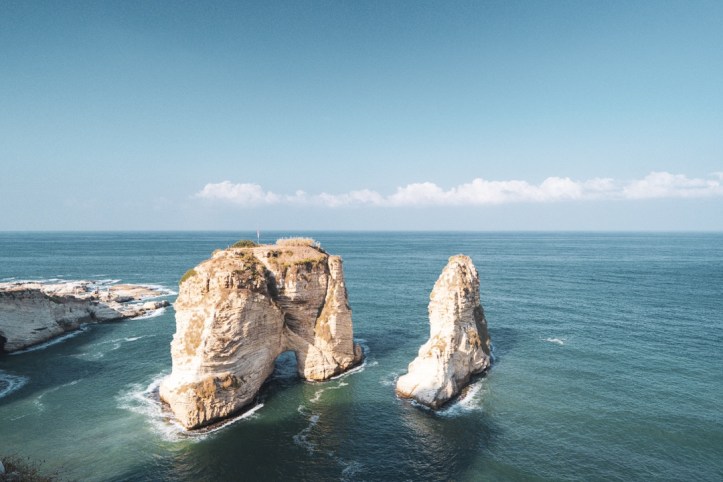
Famous for its’ Mediterranean coast, I loved walking along the coast during my visit. During the day time, you can take a short break and watch the locals’ life in there. They treat the coast as a playground! Swimming, diving, sunbathing or just chilling along the coast. Also, don’t miss the Pigeon Rock, it is a series of weird rock formations jutting out of the water! It is a famous spot for both locals and tourists scrambling for a picture!
2. Sursock Museum
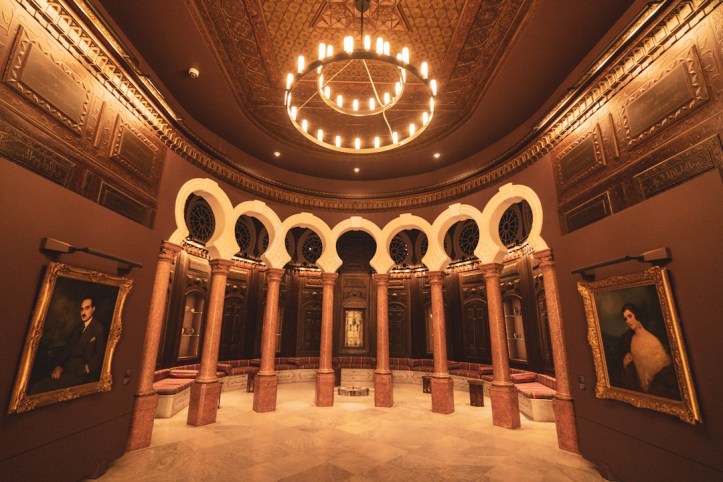
Nicolas Sursock (d.1952), an Lebanese art collector, bequeathed his private villa to the city of Beirut for transforming into a museum of modern art! Nowadays it is one of the famous museum in Beirut and providing a platform for encounter and experimentation with art and ideas, collecting modern and contemporary art varied from 1800s to the early 2000s. The admission to the Sursock Museum is free of charge!
Opening Hours: 10:00-18:00 from Wednesday to Sunday
Late opening on Thursdays from 12:00 to 21:00
3. Beirut Souks
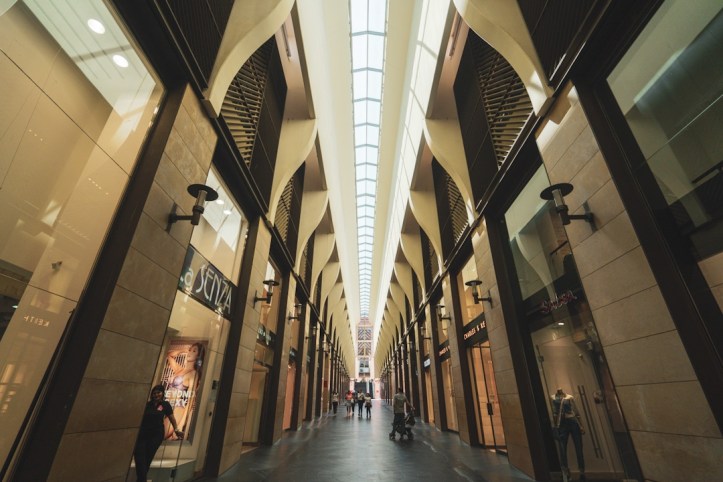
The word souk is known as a marketplace in Arabic world. If you are finding some places for shopping in Lebanon, it would be your favourite place. As the Beirut’s largest and most diverse shopping area, it is housing the world’s foremost luxury brands. Also, you can taste some delicious international dishes in here.
4. Mohammad Al-Amin Mosque
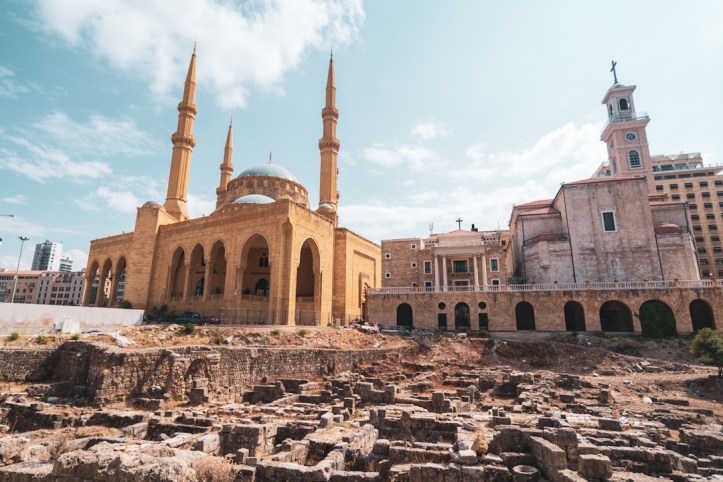
You can’t say your Beirut sightseeing is completed without a tour of this Blue Masjid! It is the biggest mosque in Lebanon. Completed in 2008, the mosque is a Sunni place of worship and it is free for visitors getting inside!
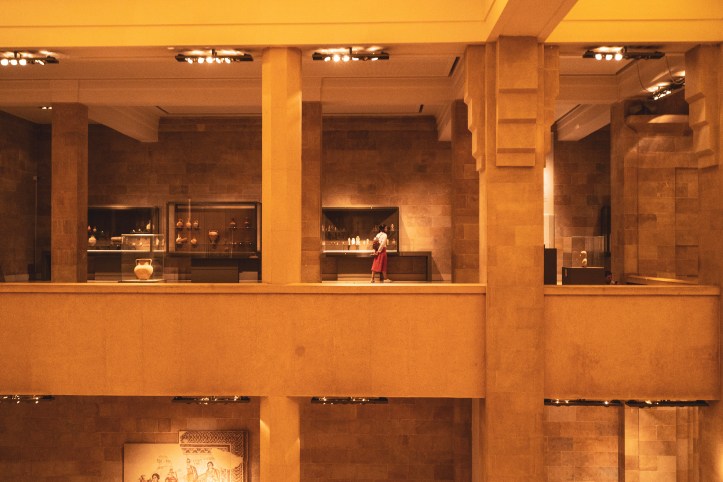
5. National museum of Beirut
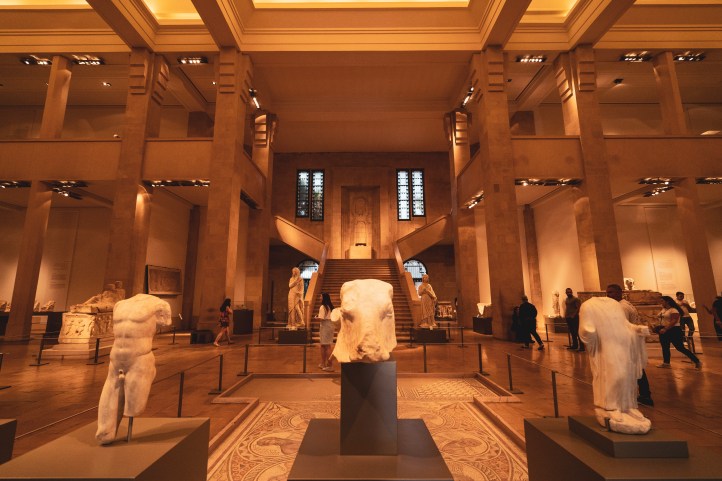
The National Museum of Beirut is the principal museum of archaeology in Lebanon! With collections totalling about 100,000 objects, its’ collections begun after World War I. Most of them are antiquities and medieval finds from excavations! Visiting that can provides you a great overview of Lebanon’s history and the civilisations that impacted this cultural crossroads!
6. Beit Beirut – Museum and Urban Cultural Center
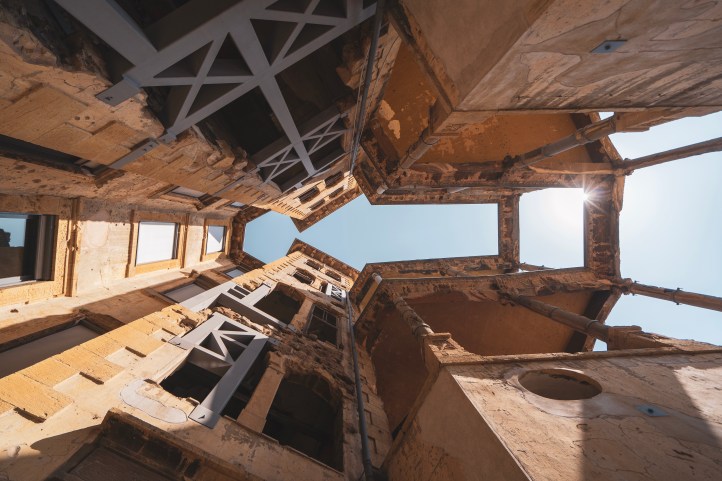
The building was built in 1924 by the Lebanese architect Youssef Afandi Aftimos! Its’ neo-ottoman style building known as the ‘ Yellow House’ by the locals. The name comes from the ochre-coloured sandstone used for its construction. During the civil war, the Yellow House was a forward control post and sniper base due to its strategic location. Nowadays, this building becomes an unusual structure in the city due to this combination of domestic architecture and ‘war architecture’, and was restored to be a cultural and artistic meeting place now!
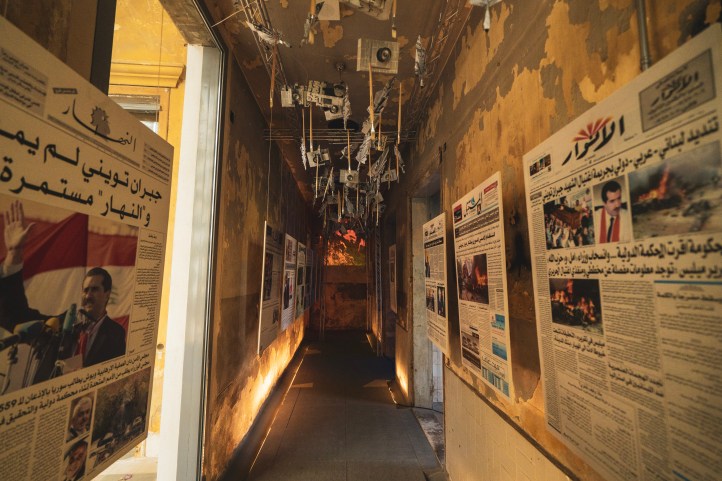
7. Walking around, enjoy the amazing architecture in Beirut
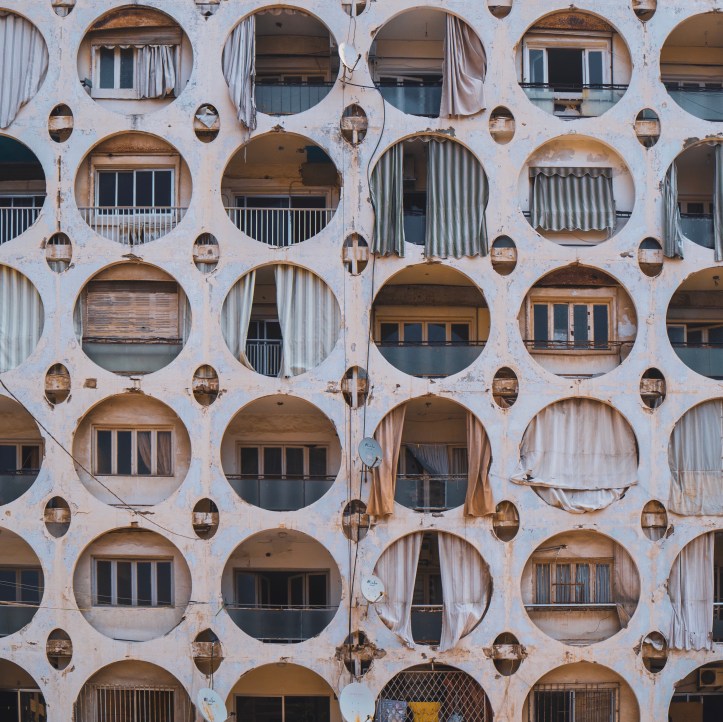
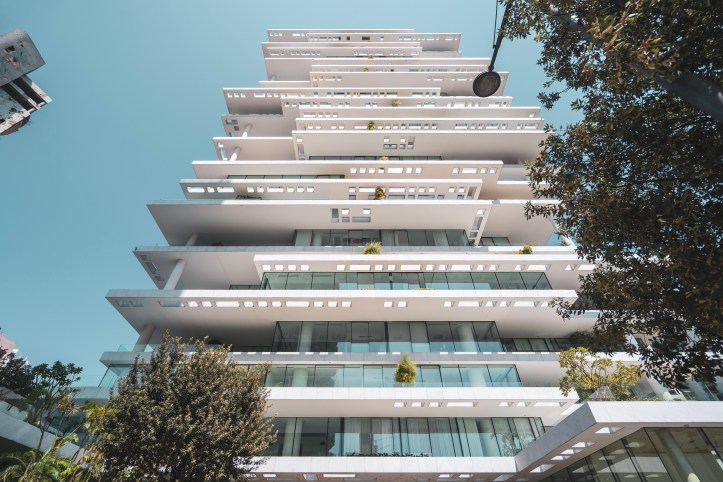
Just walking around the city! And you will find a lot of amazing architecture around you! From the historic Arabic style to the newly modern building, Beirut can fulfil your eye balls if you are an architecture lover.
 nicktravelife